How to Choose a Licensed Plumber in Chicago and the Suburbs (Without Getting Burned)
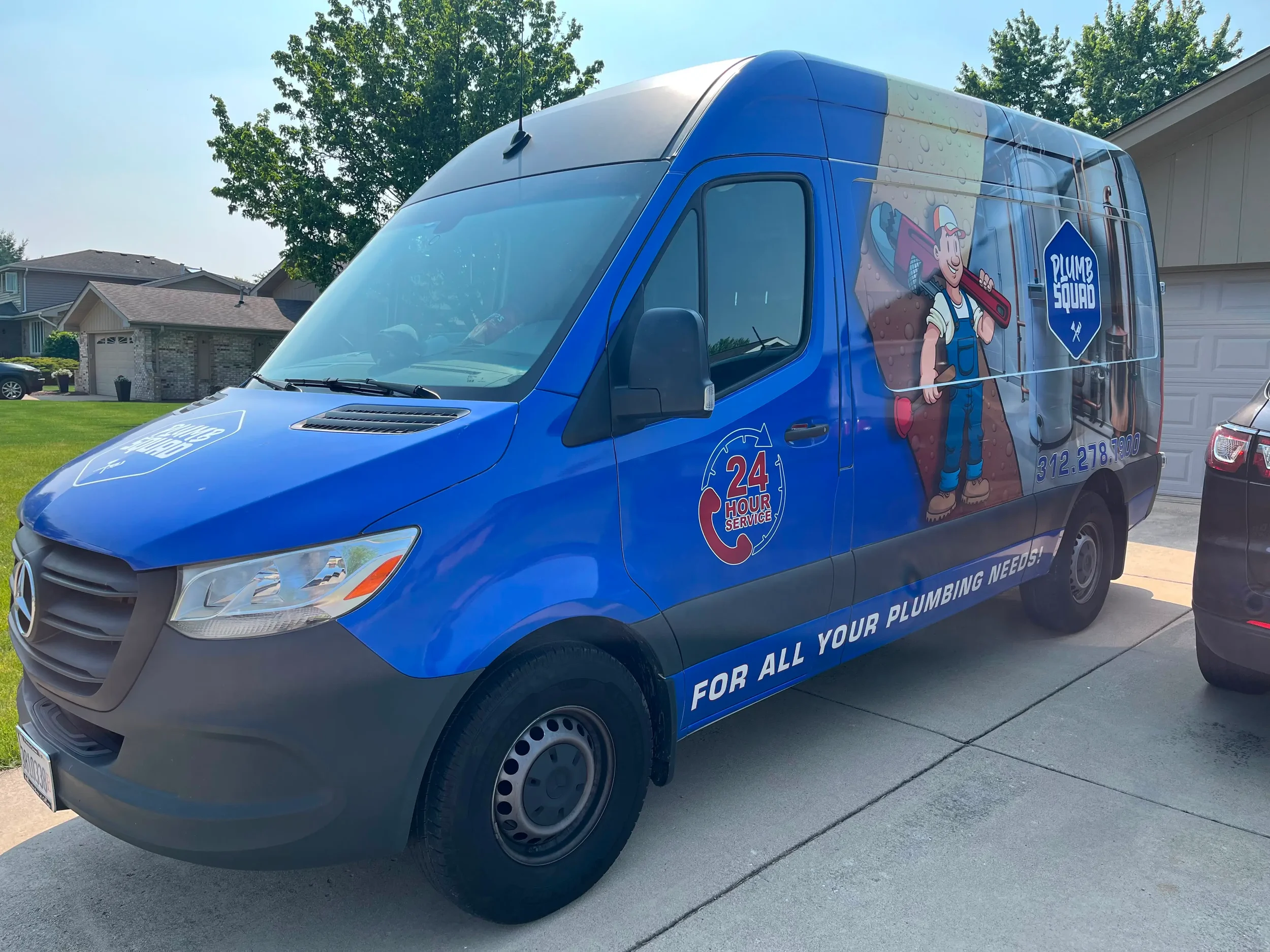
Most people hire a plumber under pressure. Water's on the floor, the clock's running, and the selection process comes down to whoever answers the phone. It's a terrible way to make a financial decision, and it's how the horror stories start.
So let's fix that now, while nothing is leaking. Here's what to actually check, what the answers should sound like, and where the traps are in this market specifically.
Verify the License. Actually Verify It.
Illinois licenses plumbers at the state level through the Illinois Department of Public Health, and the license number should be something a company hands you without hesitation. Chicago layers its own licensing and permit requirements on top of that.
Ask for the number. Then ask whether the person coming to your house holds it, or whether the company holds it and the tech is working under supervision. Both can be legitimate. An evasive answer to a direct question is the signal, not the arrangement itself.
The same goes for insurance. General liability plus workers' comp. If someone gets hurt in your basement and the company has no comp coverage, that becomes your problem in a way most homeowners never consider.
Read the Reviews Sideways
Star ratings tell you less than the shape of the reviews underneath them.
Look for recency — twenty glowing reviews from three years ago and nothing since is a company that's changed. Look for specificity: "Mike found the leak behind the dishwasher and quoted $340 before starting" is a real customer. "Great service, highly recommend!" is noise. And look at how the company replies to complaints. Every plumbing outfit has a bad day. What they do next is the actual information.
Worth saying plainly: Chicago has several well-reviewed plumbing companies, and you'll come across names like Rescue Plumbing, Rocket Plumbing, and Suburban Plumbing Experts while you're researching. They've earned their reputations. We'd rather tell you to compare us against good companies than pretend we're the only option in a city of three million people. Get more than one quote on anything major. A company that's confident in its work isn't afraid of that.
The Questions Worth Asking on the Phone
"What's your license number?" — should come immediately.
"Is the diagnostic fee applied to the repair if I go ahead?" — many good companies charge to come out; the question is whether it's credited.
"Will I get a written price before work starts?" — the answer must be yes.
"Flat rate or hourly?" — neither is wrong, but you should know which before, not after.
"Who's actually doing the work — an employee or a subcontractor?"
"What's the warranty on parts and on labor?" — get both numbers, they're usually different.
"Does this job need a permit?" — water heater replacements, sewer work, and repiping often do, and a plumber who waves that off is creating a problem for your future home sale.
Warning Signs That Should End the Call
A price over the phone for a problem nobody has seen. Diagnosis comes first. Anyone quoting a sewer repair blind is guessing or baiting.
Large cash deposits up front, especially cash only.
Pressure built on fear. "This could explode tonight" about a water heater that's merely old is a sales tactic, not an engineering assessment.
No written estimate. Ever, for anything, no exceptions.
Unmarked vehicle, no company name, no paperwork.
The scope triples after work begins. Legitimate discoveries happen — a wall opens and the pipe behind it is worse than expected. What should also happen is a stop, a conversation, and a revised written number before continuing.
Dodging the permit question. Unpermitted work surfaces at inspection time and costs you then.
Local Knowledge Isn't a Marketing Line Here
Chicago-area plumbing has genuine regional specifics, and a plumber who works here every day knows them without being told.
They know a pre-1960 bungalow probably has galvanized supply lines and a clay sewer lateral. They know a basement backing up in a storm is likely a combined-sewer issue and that a backwater valve is the conversation, not more rodding. They know the water is hard enough that water heaters and softeners are a package discussion. They know which suburbs have their own permit quirks.
Ask a candidate what they typically find in homes your age in your town. The depth of that answer tells you more than any badge on a website.
A Fair Way to Compare Quotes
The lowest number isn't automatically the best deal, and the highest isn't automatically a ripoff. Put them side by side on the things that matter: what material are they using, what's the labor warranty, is the permit included in the price, is haul-away and cleanup included, and what's the timeline. Two quotes $600 apart are often not the same job at all.
And if a quote is dramatically below the others, ask why. Sometimes it's efficiency. Sometimes it's an unlicensed sub and no permit.
Frequently Asked Questions
-
Ask the company directly for its license number — a legitimate plumber provides it without hesitation. Licensing runs through the Illinois Department of Public Health, and the City of Chicago adds its own licensing and permit requirements for work performed in the city.
-
For anything substantial — sewer repair, repiping, water heater replacement — yes, get two or three. For a true emergency, get the water stopped first; comparison shopping while your basement fills isn't realistic.
-
Yes, it's standard practice for a licensed plumber to charge for diagnosis. The fair question is whether that fee is credited toward the repair if you approve the work.
-
Many do, including water heater replacement, sewer work, and repiping. Permitted work protects you at resale and at inspection, so treat a plumber who dismisses permits as a red flag rather than a time-saver.
-
Parts are typically covered by manufacturer warranty, while labor warranties vary by company and by job. Ask for both in writing before work begins, since they're separate terms.
-
Flat rate gives you cost certainty and works well for defined jobs. Hourly can be cheaper on quick fixes but carries open-ended risk on complex diagnostics. Just make sure you know which model you've agreed to.
-
Ask them to stop and explain the discovery, then require a revised written estimate before any further work. Genuine surprises happen behind walls; proceeding without your written approval shouldn't.
Ask Us These Questions
Seriously — use the list above on us. We'll give you our license number, a written price before we start, a clear answer on permits, and a straight assessment of whether you need the big repair or the small one.
Call The Plumb Squad at (312) 278-7900 or get in touch here. We serve Chicago and select western suburbs, including Elmhurst, Hinsdale, La Grange, Downers Grove, Clarendon Hills, Western Springs, Glen Ellyn, Oak Park, River Forest, and Lemont.